AI-Driven Navigation and Real-Time Environmental Intelligence

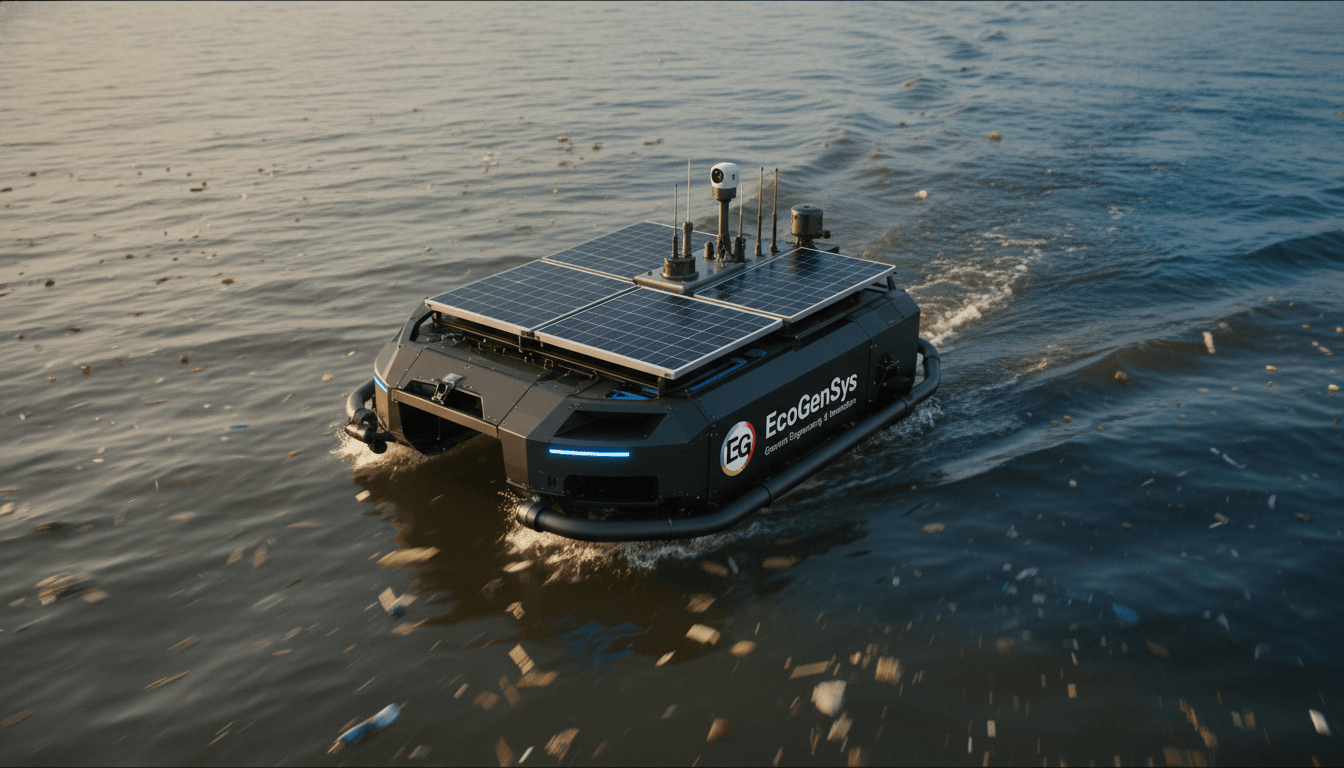
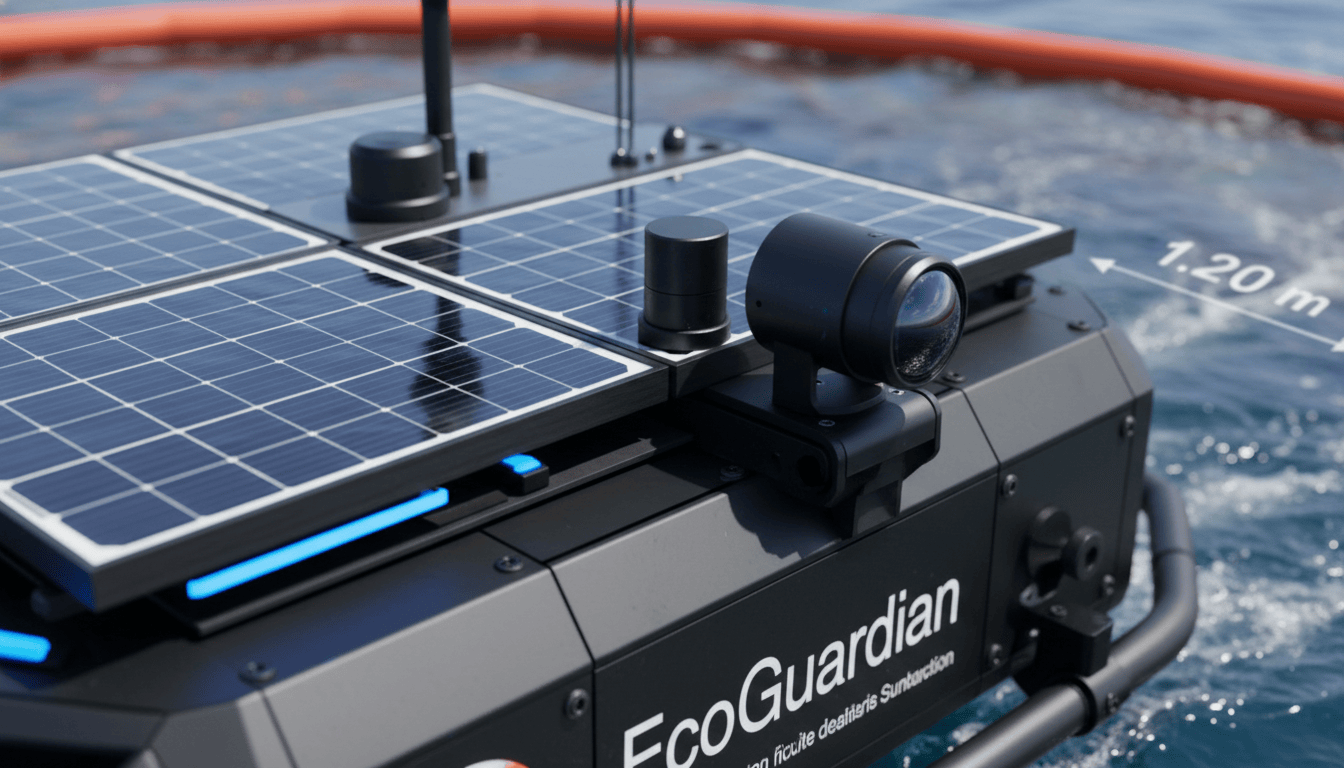
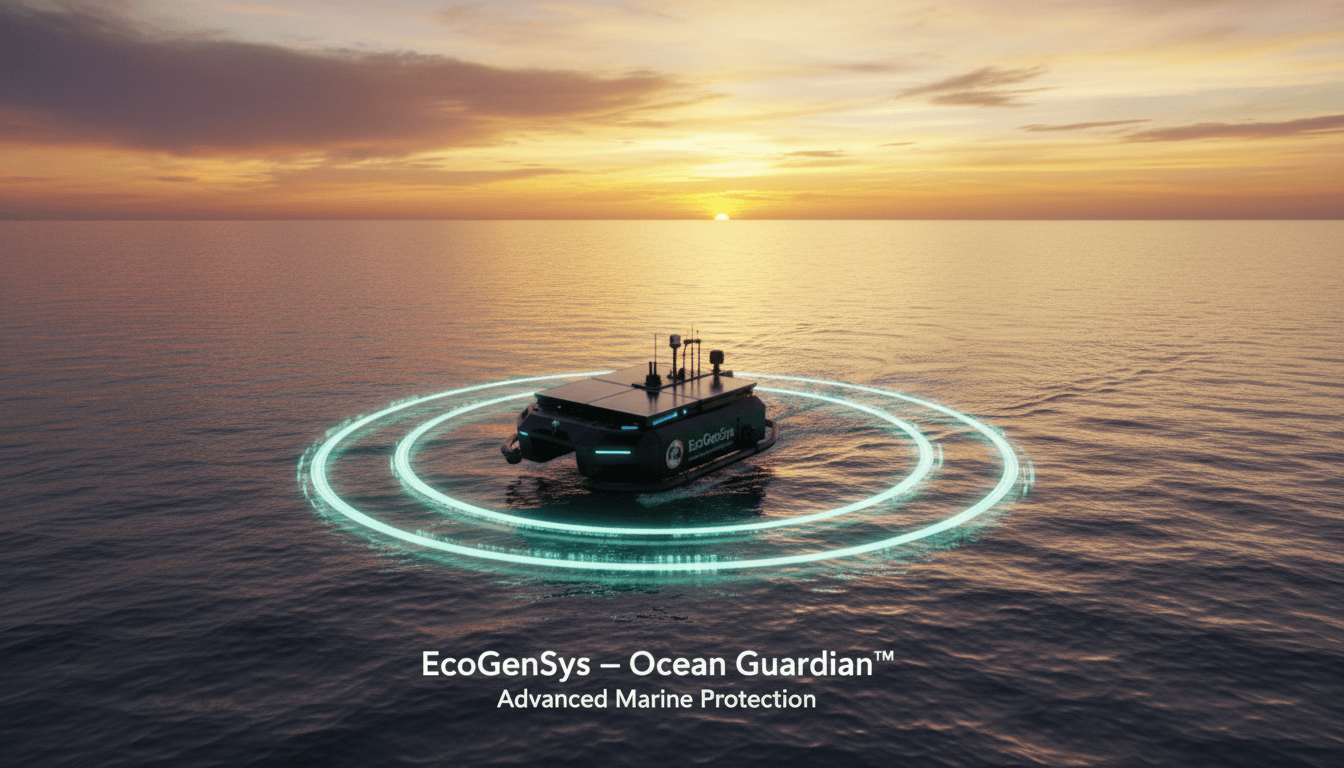
Equipped with an AI control and processing unit, the Ocean Guardian utilizes LiDAR and advanced sensors for autonomous navigation and intelligent obstacle assistance. Beyond cleaning, it provides comprehensive environmental reporting through integrated water and air quality analysis sensors. All data is transmitted in real-time via 5G or satellite connectivity to a live monitoring dashboard, offering global connectivity and AIpowered analysis that empowers decision-makers with precise, up-to-the-minute environmental insights.

AI-Driven Navigation and Real-Time Environmental Intelligence

System Architecture: Engineering Breakdown

A complete engineering breakdown of the Ocean Guardian™ autonomous vessel — from hull design and energy architecture to AI monitoring and environmental compliance. Full technical documentation, engineering drawings, and certification packages are available upon request for qualified partners and procurement authorities.

1

General Architecture

Integrated catamaran design combining autonomous navigation with a mobile water purification system. Hull engineered for flexibility and scalability with intelligent control systems enabling real-time operational decision-making based on environmental inputs.

2

Energy System

LiFePO4 batteries with solar support delivering continuous endurance. Zero-emission electric and solar operation with no impact on marine biodiversity.

3

Hull Engineering

7.5 m × 2.80 m × 120 m — 1.8 tons, triaxial propulsion, exceptional stability. Catamaran hull design optimized for open-water and coastal operations.

4

Nano Filtration & Spill Containment

Hydraulic containment booms, multi-stage nano-filtration, and High Viscosity Mode for heavy oil. Patented nano-filtration integration with proprietary membrane technology.

5

Hydrocarbon Recovery Flow

Oil-water separation, 1,000–5,000 L/h throughput, purified discharge with oil transfer pump. Hydrophobic separation membranes and centrifugal systems achieve 97% recovery efficiency.

6

AI Monitoring System

AI cameras, radar, and real-time HUD — tracking pollution location, concentration, and filtration status. Computer vision and machine learning classify pollutant types and generate optimized response protocols.

7

Environmental Compliance

Zero-emission electric and solar operation — zero impact on marine biodiversity. Designed to DIN/ISO standards with full CE certification, MARPOL compliance, and TÜV-verified safety systems.

8

Patent Protection & Future Expansion

Patented nano-filtration integration and proprietary AI pathfinding algorithms. Full technical documentation, engineering drawings, and certification packages available upon request.

Transparency: Full compliance documentation available upon request for qualified partners and procurement authorities. Contact our engineering team for certification packages and technical documentation.